






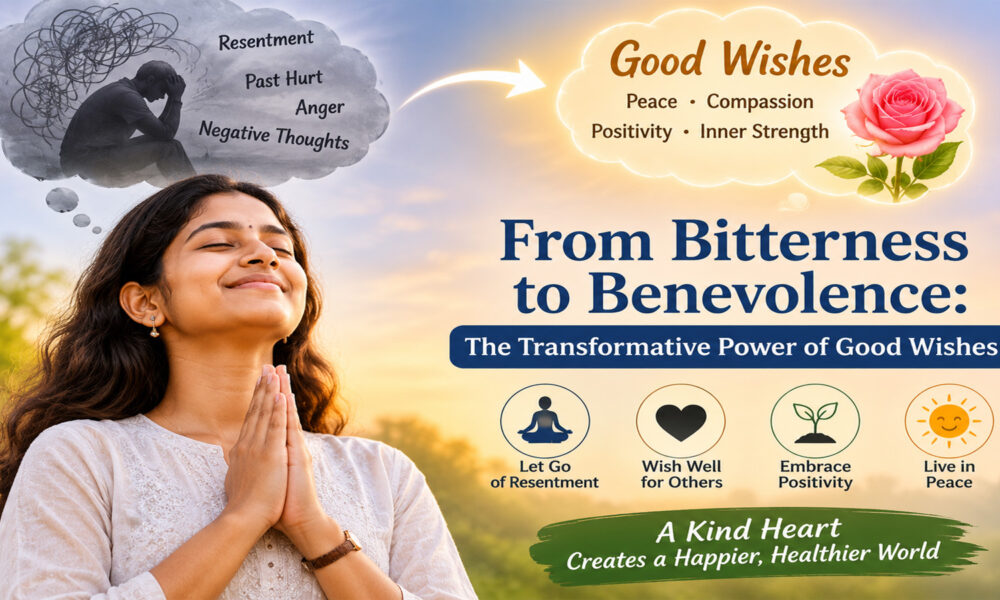
What comes to mind when we hear the word resentment? Is it merely hurt, sorrow or disappointment, or does it signify something deeper? Resentment is the lingering bitterness we carry when we hold on to past pain and refuse to let it go. Most of us have replayed a difficult conversation in our minds long after it has ended. Someone may have spoken unkindly, acted unfairly or failed to understand our point of view. Although the moment has passed, we continue to revisit it, analysing what went wrong and how things could have unfolded differently. Often, the other person has already moved on, while we remain trapped in the same cycle, reliving those painful emotions in our minds.
In psychology, this recurring pattern of negative thinking is known as rumination- the tendency of the mind to repeatedly dwell on unpleasant experiences. We often convince ourselves that analysing an incident over and over again will help us understand why it happened. In reality, however, it only deepens our distress. Our thoughts shape the way we perceive the world. When we carry an unhealed emotional wound, we begin to view life through the lens of that pain, making even a neutral remark seem critical or hurtful.
Beyond disturbing our mental peace, prolonged negative thinking can also affect our physical well-being, influencing stress responses, digestive health and overall vitality. Recognising this connection between the mind and body is the first step towards breaking free from the cycle of resentment.
Letting go of resentment does not mean denying our feelings, accepting unfair treatment or remaining silent when something is wrong. Being assertive and establishing healthy boundaries are essential aspects of self-respect. Resentment, however, is the emotional burden we continue to carry when a past offence occupies our thoughts long after the incident has ended. By holding on to it, we allow yesterday to disturb our today.
True emotional and spiritual maturity lies in acknowledging what happened without allowing the hurt to turn into bitterness. If left unaddressed, resentment can cloud our mood and gradually strain our relationships, both at home and in the workplace. While we cannot change the past, we can always choose how much space we allow it to occupy in our inner world. A resentment-free heart learns to put down this emotional burden. It acknowledges the pain, recognises what needs to change and takes constructive steps forward without repeatedly reopening old wounds.
This is where the quiet power of good wishes comes into play. Good wishes are sincere and benevolent thoughts for the well-being of others. Even when someone has wronged us, we can choose to wish them well, hoping that they gain wisdom, recognise their mistakes and find a better path forward. Wishing someone well does not mean approving of their behaviour, it simply means refusing to respond to hurt with hatred.
We can cultivate this outlook through five simple attitudes or sanskaras- wishing well for everyone, extending love and cooperation regardless of how others behave, maintaining a steady sense of enthusiasm, embracing everyone with a feeling of belonging and recognising our true identity as peaceful souls beyond our physical roles. When these attitudes become a natural part of our consciousness, we learn to look beyond human weaknesses and recognise the inherent goodness in others. Our thoughts, words and actions then become a source of reassurance and positivity for those around us.
When we consciously practise offering good wishes, our attention shifts away from the offence and towards our shared humanity. We stop feeding our minds the same painful narrative. Although this practice may not change another person’s behaviour overnight, it can bring about an immediate transformation within us. Our hearts feel lighter, our minds become calmer and we gradually release the emotional pain we have been carrying. This inner transformation brings us closer to a state that spiritual wisdom describes as true peace.
Good wishes also represent a simple yet powerful form of service. Not everyone can contribute to society through grand or visible achievements, but everyone can make a difference through the quality of their thoughts, words and presence. When our thoughts are rooted in purity, compassion and kindness, these qualities naturally find expression in our words and actions. A positive cycle begins- benevolent thoughts nurture healthier relationships, and the positive experiences that follow strengthen our resolve to continue practising goodwill.
A rose offers a timeless lesson in transformation. It draws nourishment from manure yet gives back fragrance. Similarly, we can transform difficult experiences into opportunities for inner growth. Neuroscience suggests that repeated patterns of thinking can strengthen neural pathways in the brain. Each time we consciously replace resentment with understanding and hurt with good wishes, we practise healthier emotional responses. Gradually, situations that once disturbed our peace begin to lose their hold over us.
True spiritual strength lies in transforming every unpleasant experience into an opportunity to radiate calmness and positivity. By refusing to allow negativity to take root and consciously choosing elevated thoughts, we can become a steady source of light, even in the most challenging circumstances. Ultimately, a heart filled with good wishes is not one that has never experienced hurt, it is one that has learned not to let hurt define it.
– BK Sarala, Vice Chairperson, Media Wing, Brahma Kumaris
The post From Bitterness to Benevolence: The Transformative Power of Good Wishes appeared first on DD India.




No Comment! Be the first one.