Decreasing the invasiveness of deep brain stimulation
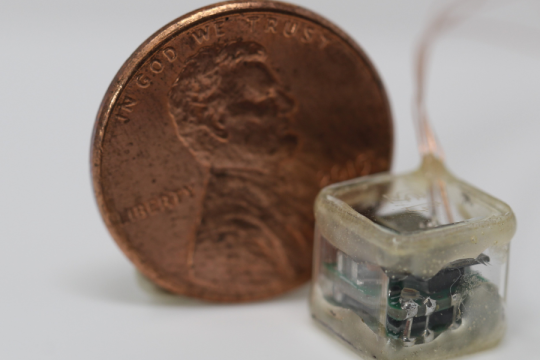
Researchers are developing a preclinical method to stimulate the brain without drilling into the skull by guiding a catheter through the cerebrospinal fluid. More Source link
Keep up with the latest scientific discoveries, groundbreaking space exploration missions, and essential environmental research that are transforming our understanding of the world and beyond.
Researchers are developing a preclinical method to stimulate the brain without drilling into the skull by guiding a catheter through the cerebrospinal fluid. More Source link

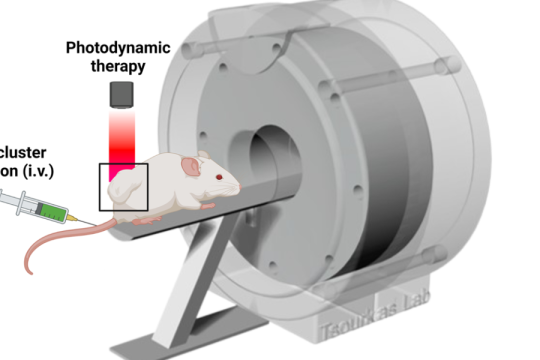
Many cancer drugs fail to penetrate deep into tumors, but new research suggests magnetism could help pull them through. More Source link
College athletes want to know when they can return to playing sports after a concussion. NIH-funded researchers have developed a new prognostic model. More Source link
Brain cancer is the second most common cancer in children after leukemia, and it is also the deadliest, due to the fact that brain tumors are diverse, resistant to treatments...
Drug-carrying DNA snippets called aptamers can deliver a one-two punch to leukemia by precisely targeting the elusive cancer stem cells that seed cancer relapses, researchers at the University of Illinois...
While medical centers use ultrasound daily, so far this technology has not been capable of observing body tissues at the scale of cells. Physicists at several universities including CalTech have...
Blood clots are associated with life-threatening conditions such as sepsis, sickle cell disease, heart attack and stroke. However, new research from Emory University may revolutionize how clinicians understand and treat...
A new artificial intelligence (AI) tool that can help interpret and assess how well treatments are working for patients with multiple sclerosis (MS) has been developed by University College London...
Investigators from Mass General Brigham and Beth Israel Deaconess Medical Center have developed STITCHR, a new gene editing tool that can insert therapeutic genes into specific locations without causing unwanted...