Breast cancer cells collaborate to break free and invade into...
Researchers at Stanford revealed a novel physical mechanism that breast cancer cells use to break out and become invasive. They found that cancer cells work as a group to physically...
Keep up with the latest scientific discoveries, groundbreaking space exploration missions, and essential environmental research that are transforming our understanding of the world and beyond.
Researchers at Stanford revealed a novel physical mechanism that breast cancer cells use to break out and become invasive. They found that cancer cells work as a group to physically...

NIH Blueprint MedTech program has issued nine awards in its first competition cycle. The program seeks to accelerate transformative medical devices to treat disorders of the nervous system. More Source...
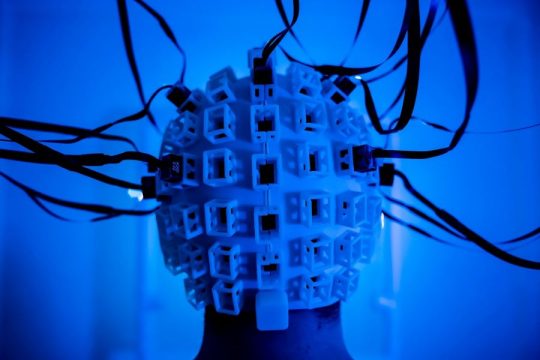
A new wearable brain scanner is the first of its kind to accurately record magnetic fields generated by brain activity while people are in motion. More Source link
As cases of flu and COVID-19 start to creep up, there’s a way to get tests and treatments for both. More Source link
Eligible adults can now receive free at-home rapid tests, telehealth sessions and at-home treatments for both COVID and influenza through a newly expanded More Source link
The federal government has expanded the Home Test to Treat program, an entirely virtual community health program that offers free COVID-19 health services. More Source link
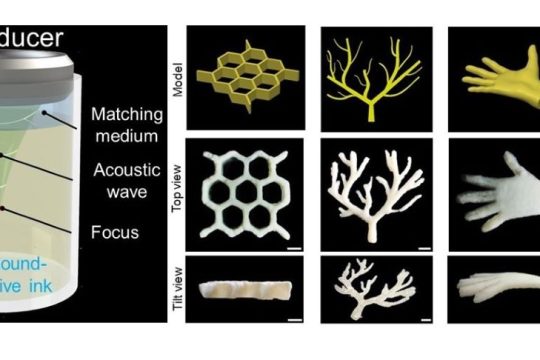
NIH-funded researchers have outlined a method to print biocompatible structures through thick, multi-layered tissues using focused ultrasound. More Source link
International effort to improve the resolution of magnetic resonance imaging (MRI) for studying the human brain has led to an ultra-high resolution 7 Tesla scanner. More Source link
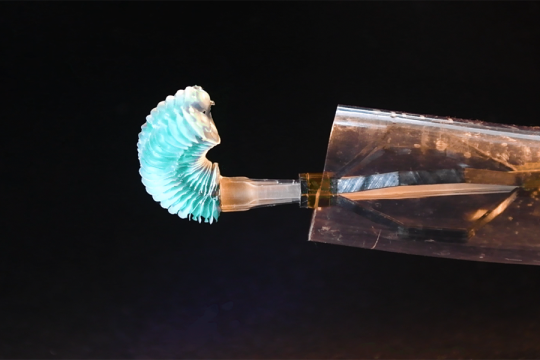
A beating heart makes for a formidable surgical arena, but a new robotic catheter could someday equip surgeons to operate in the cardiac environment with greater ease. More Source link
With the potential to make procedures safer, less invasive, and more accessible, the robotic catheter may pave the way for a new era in cardiac care. More Source link