

How Bristol became the home of drum and bass and jungle
DJ Krust – who was part of the collective – said the music was about “finding expression through our artform which was DJing and producing”. “Rave culture was a huge...

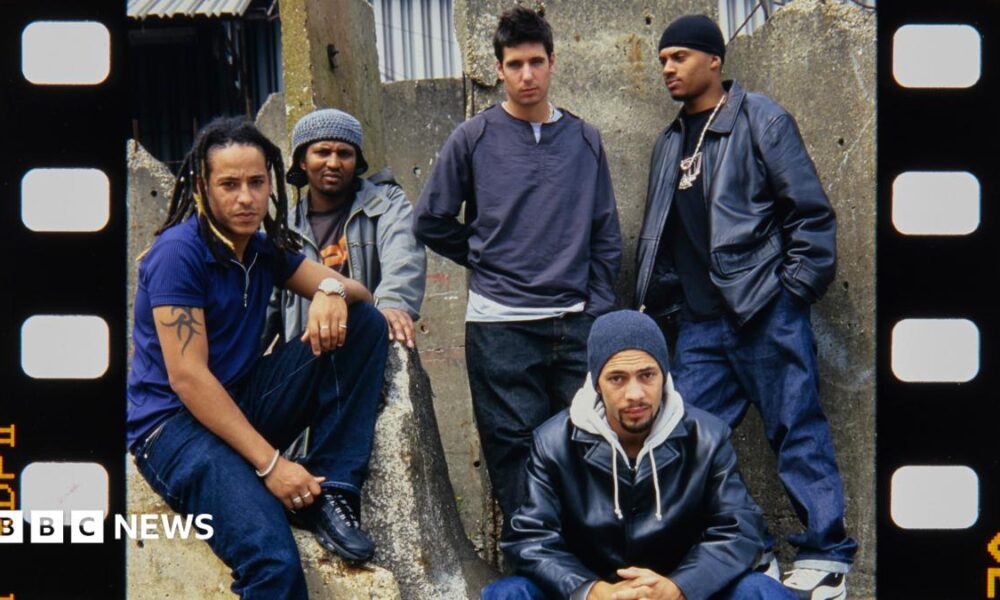
DJ Krust – who was part of the collective – said the music was about “finding expression through our artform which was DJing and producing”.
“Rave culture was a huge factor in speeding the tempo up. Once it got to 160bpm and now it’s 170bpm, that felt like home for us,” he said.
The jungle music they had a hand in creating is still to this day characterised by its speed, syncopated rhythms, breakbeats and ragga, funk and reggae samples.
The Full Cycle collective showcased their new music on the streets at St Paul’s Carnival and when they saw people liked it, they made more.
Krust said the beginnings of jungle and drum and bass were a partnership between the open mindedness of the city, the creativity of these DJs and their proximity to rave culture at free parties in the West Country countryside.
“We had to explore and dig deep to hear and see how this experiment can work in real time – that was huge to see,” he said.
“When we finally figured out jungle we found our voice,” he added.
The collective was made up of DJ Krust, DJ Die, producer Roni Size and DJ Suv – from Krust’s original band Fresh Four, best-known for the top 10 hit Wishing on a Star, external.



No Comment! Be the first one.