



Ryanair CEO anticipates European airfare prices up as much as 20% next year
The CEO for Ryanair expects European plane ticket prices may climb as much as 20% next year with the conflict in the Middle East ongoing. “So we’re facing 2027 where we have much higher oil...

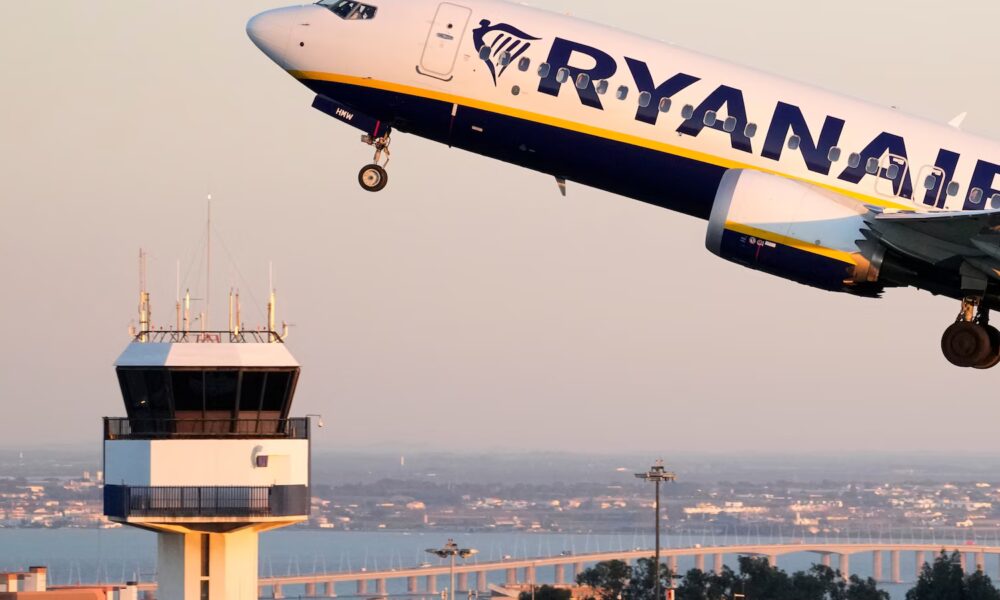
The CEO for Ryanair expects European plane ticket prices may climb as much as 20% next year with the conflict in the Middle East ongoing.
“So we’re facing 2027 where we have much higher oil prices… I think they’re going to get passed on in significantly higher airfares,” CEO Michael O’Leary said in a Monday interview on CNBC.
The price of jet fuel has been extremely volatile after the U.S. and Israel launched attacks on Iran.
Jet fuel has risen even faster than oil during the war, reflecting both higher crude prices and tight supplies of the refined fuel that is one of the largest operating expenses for airlines. Carriers have cut some less profitable flights and raised fares and baggage fees, although major U.S. airlines said higher passenger revenue initially covered only part of their soaring fuel costs.
Globally, jet fuel averaged about $99 a barrel on Feb. 27, the day before the war began, according to the International Air Transport Association’s Jet Fuel Price Monitor. Prices more than doubled to $209 by early April, fell for nearly three months and reached $195 a barrel in mid-September following their renewed ascent, IATA said, citing data from S&P Global Energy Platts. The global average jet fuel price is currently hovering around $196 a barrel.
Since diesel and jet fuel are closely related products that compete for space at refineries, shortages of one can put additional pressure on the price and availability of the other.
The IATA expects fuel to account for nearly one-third of airline operating expenses this year, up from about a quarter in 2025.
Ryanair said Monday that it doesn’t expect European short haul airfares to fully offset anticipated increases in its fuel bill for next year, so it is reviewing its costs and may have to impose temporary pay freezes, lower crew ratios and use more artificial intelligence to get further productivity for back office and support functions.





No Comment! Be the first one.