


Afghan women with UK university offers ‘heartbroken’ after visas stopped
In a highly competitive field of international students vying to get UK scholarships, Afghan women have additional challenges to navigate. Alia had to attend a secret school to prepare for an English...

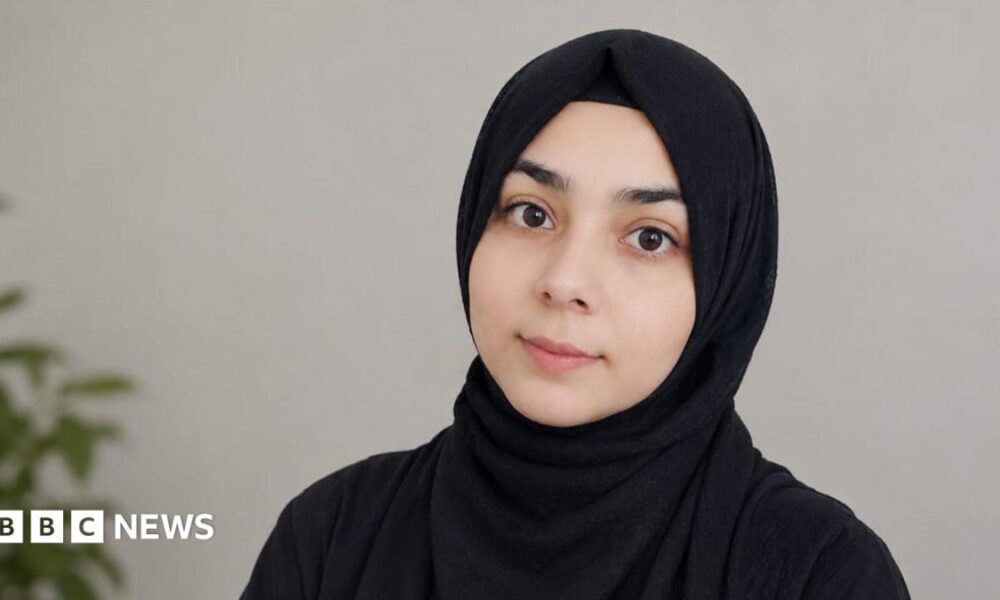
In a highly competitive field of international students vying to get UK scholarships, Afghan women have additional challenges to navigate.
Alia had to attend a secret school to prepare for an English language test, in defiance of Taliban restrictions. Before long the institute was discovered and authorities shut it down – so she continued with an online teacher from Canada.
The next challenge was actually sitting the test. Most authorised test centres would not admit female students, Sadat says, in fear of falling foul of the regime’s rules.
After that came the difficulty of finding a UK university willing to recognise a degree earned in Afghanistan.
Throughout the process, both Sadat and Alia say frequent power cuts disrupted their preparations. They also feared a repeat of the nationwide internet shutdown imposed by the Taliban’s supreme leader in September 2025.
Many students also find it difficult to physically apply for the visas, as they often have to travel to neighbouring countries which are making it harder for Afghan nationals to enter.
Having overcome the obstacles, Alia finds the visa brake deeply disappointing: “I want to say to the UK government: don’t treat us like our government. They have deprived us of education, so the global community should have more focus on us.”
In response to the BBC’s questions about the suspensions, the UK’s Home Office pointed to the reopening of the UK Resettlement Scheme for refugees, “including Afghan women and girls”. It also said it was introducing “named sponsorship and refugee study routes”, which would give refugees “a safe pathway to come to the UK and rebuild their lives”.
However, the Home Office did not answer specific questions about whether these routes would be open to women in Afghanistan who are not classified as refugees, such as Sadat and Alia, or how many places would be available to Afghans.
Data from the Higher Education Statistics Agency shows that fewer than 400 of the more than 680,000 international students in the UK in 2024-25 were from Afghanistan.
Since this article was published, the Home Office has contacted the BBC to share data which shows that in the three years before the visa brake was applied the number of asylum claims from Afghans linked to study visa routes have outstripped the number of visas issued. From January to September 2025, there were 360 study visas issued and 470 asylum claims linked to these visas, while in 2024, 550 asylum claims came from 470 study visas that were issued.
We asked Zainab Rezaie, an Afghan student who moved to Birmingham in 2024 and later applied for asylum, why she made that choice.



No Comment! Be the first one.