




Tinned food and long-life milk boost retail sales after ‘Be Ready’ campaign launch
Retail sales rose in October, driven by people buying long-life food such as tinned goods and UHT milk, according to official figures, external. Sales volumes were 0.7% higher as people responded to...

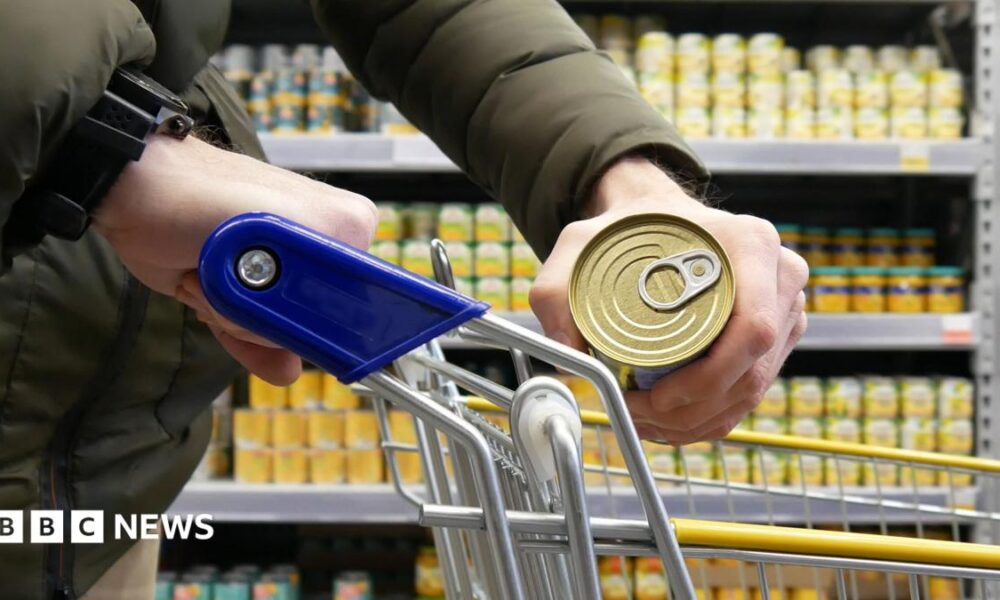
Retail sales rose in October, driven by people buying long-life food such as tinned goods and UHT milk, according to official figures, external.
Sales volumes were 0.7% higher as people responded to the government’s emergency preparedness “Be Ready” campaign, the Office for National Statistics (ONS) said.
The campaign encouraged people to stock up in case of disruption to essential services by severe weather or cyberattacks.
Separate research released last week suggested that while households were stockpiling essentials, they were not panic buying.
The government campaign encouraged people to keep three days-worth of food and water in their homes.
Wet wipes, a torch and cash were also recommended.
“Supermarkets have told us that sales of long-life food items such as tinned food and UHT milk were boosted by the government’s ‘Be Ready’ campaign,” ONS chief economist Grant Fitzner said:
“Meanwhile fuel sales have been recovering from earlier low levels, despite pump prices rising again.”
The rise in retail sales last month beat some economists’ expectations – they had predicted a slight fall – and the uptick came after a 0.6% decline in September.
As well as sales being boosted by people buying essentials, visits to art galleries and clothing purchases were also higher in October.
The boost in sales comes at the beginning of the festive period, which is normally the busiest time of the year for retailers.
Jacqui Baker, partner and head of retail at auditing firm RSM UK, said that “retailers will want to see out the year with some Christmas cheer before consumers batten down the hatches in the New Year as energy costs skyrocket and inflation ramps up further”.
Typical energy bills are forecast to go up by £443 per year from January, pushing up the pace of price rises.
Separate economic data released on Friday showed the government borrowed slightly less than economists had expected in October.
Borrowing – the difference between public sector spending and income – was £17bn last month, the ONS said., external
Although that was £0.8bn higher than October last year, it was below analysts’ forecasts of about £18bn.
Interest repayments were £11.2bn – the highest October debt interest figure on record – and £2.8bn more than a year ago.
These repayments have been pushed up by higher inflation, as payments on index-linked government bonds are linked to the inflation rate.
Inflation rose to 3.6% in October, mainly because of higher petrol and diesel prices.
Inflation has been driven higher in recent months as the Iran war has driven up the cost of energy and fuel.





No Comment! Be the first one.