





What are the rules around police pursuits?
Since 29 October, three police pursuits in Leeds have ended in serious injury or death. Three people have been killed and one person has been left seriously injured in crashes caused by cars being...

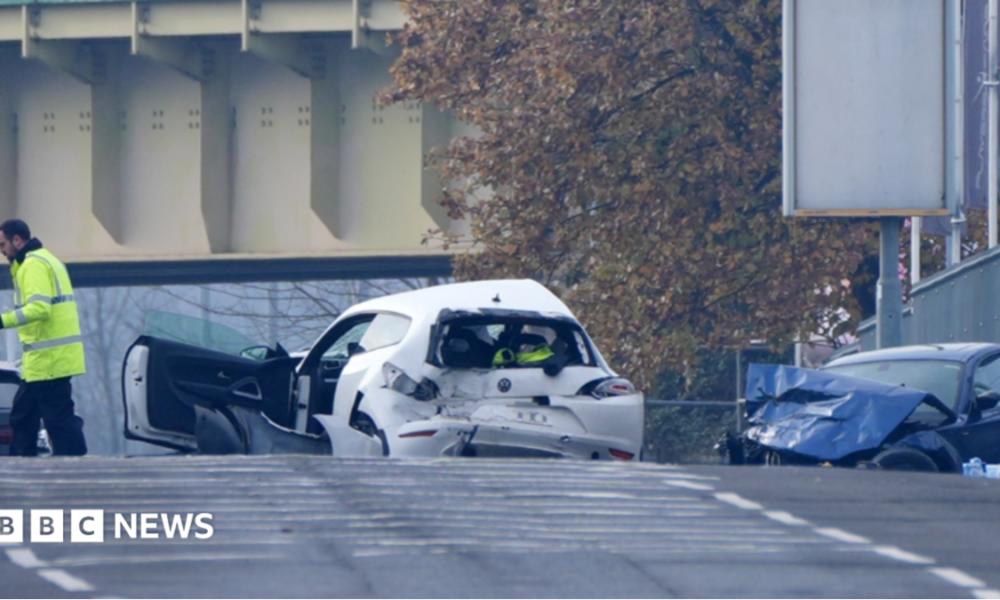
Since 29 October, three police pursuits in Leeds have ended in serious injury or death.
Three people have been killed and one person has been left seriously injured in crashes caused by cars being followed by officers.
Most recently, Cameron Bell, 22, and Jade Langton, 23, both from York, died in a collision just before 01:00 GMT on Sunday. A man appeared in court over the incident on Monday.
Baroness Alison Lowe, deputy mayor for crime and policing in West Yorkshire, said she has “no major concerns” about the force’s pursuit rules – but what actually are they?
Guidance from The College of Policing says officers must determine whether a pursuit is justified and proportionate.
“If the decision is made to engage in a pursuit because it is in the public interest to protect life, prevent or detect crime, or to apprehend an offender, then it must be conducted with proportionality and due regard for the circumstances,” the professional body states.
Pursuits should be authorised by control room staff, but officers do not always have the time to wait for the go-ahead and are allowed to “self-authorise” – though they must be able to justify their decision at a later stage.
Once a pursuit is launched, officers have to take a number of factors into account.
These include the level of risk posed by the pursued driver; the seriousness of any offence committed or suspected; the weight of intelligence as to whether a suspect is likely to be armed; whether young people are in the subject car; and the type of vehicle being pursued.






No Comment! Be the first one.