





Why David Walliams’ unprecedented legal battle to stay anonymous failed
David Walliams’ unprecedented legal battle not to be named in relation to allegations against him went downhill as he tried to secure a permanent injunction. He was named by the Guardian and...

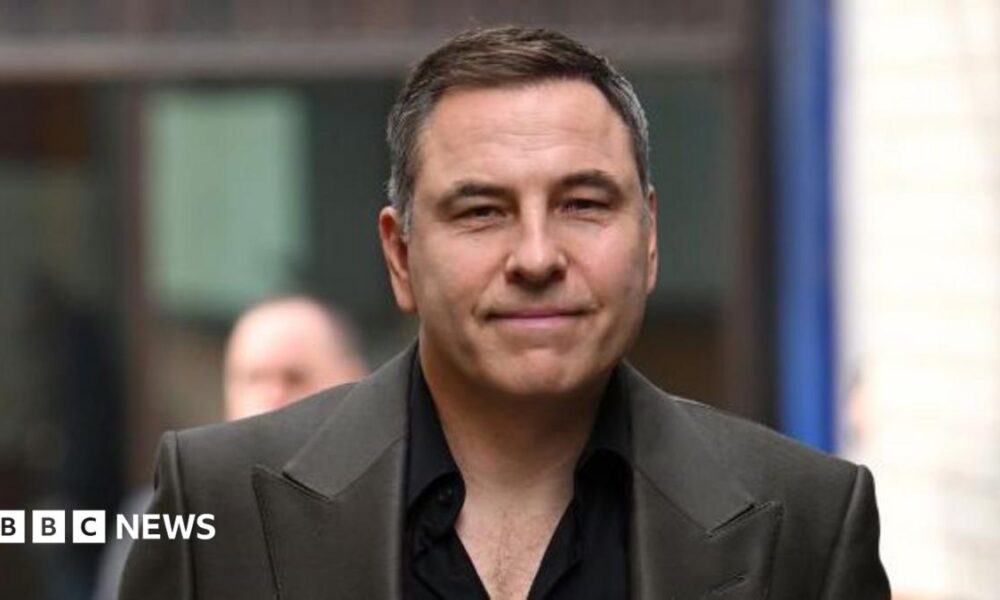
David Walliams’ unprecedented legal battle not to be named in relation to allegations against him went downhill as he tried to secure a permanent injunction.
He was named by the Guardian and ITN because he had no sound legal reason to prevent the news organisations’ investigation from being published. In response to the allegations included, Walliams said he was “not a sexual predator” and had not “broken the law”.
The 55-year-old’s bid for an injunction had been an open secret from the start after what would have normally been an anonymised application briefly appeared under his own name on a court cases register.
His exceptionally unusual attempt to gag the media – forever – became clear at the full trial last month – but that’s when his bid to remain anonymous got worse.
In court, his lawyers did not claim that the investigation would be disclosing legally confidential or private information the journalists were not entitled to – two avenues often trod to silence reporters.
Instead lawyers for Walliams argued that such was the threat to his life from publication that the court itself would be breaching his human rights, were it to allow the story to go ahead.
This was, the court ultimately concluded, unheard of.
Under Article 2 of the European Convention on Human Rights, the British state has a duty to take reasonable steps to try to protect life where they can do so and, importantly, where a particular body has an actual responsibility to do so.
There’s no expectation that a state agency can save all lives in all circumstances – but it must show it has done its best if it is clear it had a responsibility to act.
The most obvious example of this law in practice is that the police must try to act on credible intelligence of a threat to life, even if the intended victim is a gangster.
But that duty, and how it should be applied in the real world, is also why Walliams lost: he was expecting the wrong public body to be doing the protecting.
The High Court’s Mr Justice Nicklin said that the responsibility to try to protect the comedian and author’s life was on clinicians and the hospital he had already been taken to. He had been detained for his own protection, meaning the state was already trying to meet its obligation to protect him from harm.
The court could not do that protecting because it had not taken responsibility for Walliams’ psychiatric treatment or safety. Its role was to decide the legal dispute between Walliams and the news organisations.
Walliams’ lawyers had suggested that there might be a right to private family life issue in the case but the judge said there had been no evidence to detail that, and he had to take into account the media’s right to freedom of speech to publish what was described in court as a detailed investigation in the public interest.
If the media were wrong about their claims, Walliams could later sue for defamation – the way that any wrong party seeks redress against journalists.



No Comment! Be the first one.