





Birmingham flag injunction would ‘silence political views’, court told
A lawyer representing the co-founder of the anti-migrant group Raise the Colours has told a court that putting up flags is an expression of his political views that should be protected by the...


A lawyer representing the co-founder of the anti-migrant group Raise the Colours has told a court that putting up flags is an expression of his political views that should be protected by the European Convention on Human Rights.
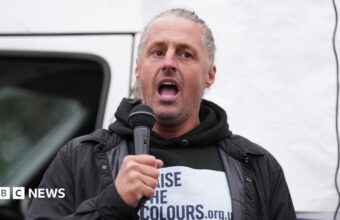
The submission was made at the High Court on Monday, as Birmingham City Council sought an injunction preventing Ryan Bridge and his group from attaching flags and other items to public property.
The authority has argued their actions caused danger, alarm and distress, and an injunction is needed to prevent further incidents.
At the end of the hearing, Judge Emma Kelly reserved judgement and said her ruling would be issued in the coming days.
More than 20 Raise the Colours supporters attended the High Court in Birmingham for the start of the hearing on Monday.
The court heard that while Bridge, from Bromsgrove, Worcestershire, was the group’s founder and “front man”, he had never incited people to break the law.
At a previous hearing, the court heard allegations of intimidation, abuse and threatening behaviour linked to the campaign.
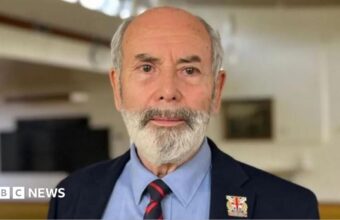
Representing Bridge, Liam Wells said the council had failed to prove his client had acted unlawfully and it had not met the legal threshold required to secure an interim injunction.
He told the court the flag campaign was an expression of political views protected under Articles 10 and 11 of the European Convention on Human Rights, which cover freedom of expression and freedom of assembly.
Wells argued the proposed order would be disproportionate, risked “silencing people in their political views and expression of political opinions” and would have a “chilling effect” on political expression.
Restricting Bridge to displaying flags only on private property would “destroy the essence of freedom of expression”, he said.
Referring to rights protected under the Human Rights Act, Wells said it was “incumbent on the claimant to show they’re more likely than not to be successful at trial” and argued the council had failed to clear that hurdle.
He questioned the urgency of the application, noting the flagging activity had been taking place for some time.
Wells also argued Bridge had a “reasonable excuse” defence under the Highways Act 1980 and said: “What my client has admitted to isn’t a criminal offence.”




No Comment! Be the first one.