




PM E-DRIVE accelerates India’s electric mobility push with 26.59 lakh EV sales, ₹11,900-crore outlay
India’s transition towards electric mobility is gaining momentum under the PM Electric Drive Revolution in Innovative Vehicle Enhancement (PM E-DRIVE) Scheme, with 26.59 lakh electric vehicles sold...

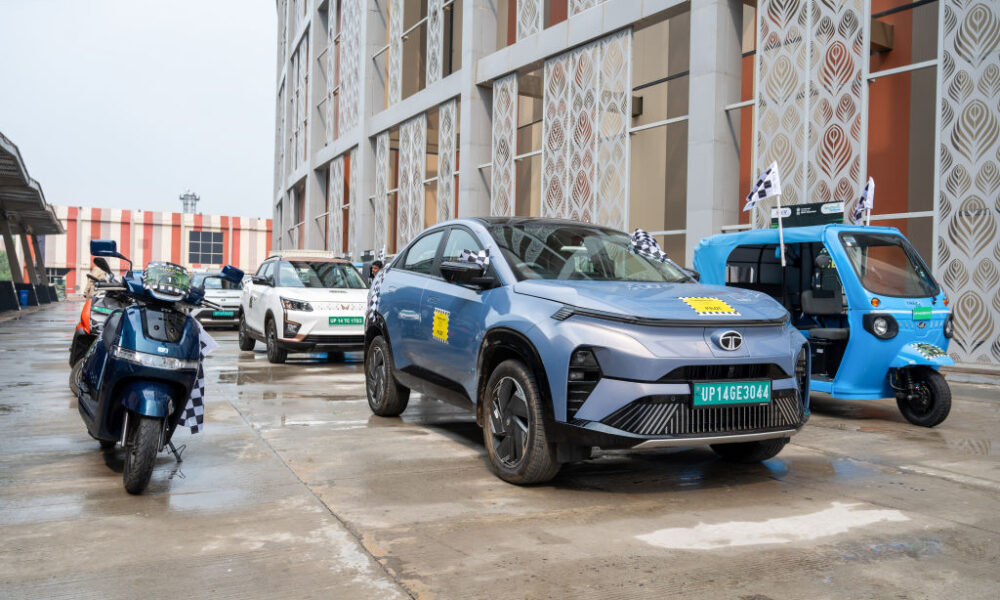
India’s transition towards electric mobility is gaining momentum under the PM Electric Drive Revolution in Innovative Vehicle Enhancement (PM E-DRIVE) Scheme, with 26.59 lakh electric vehicles sold as of June 2026 against an incentive-supported target of around 28.30 lakh EVs. With an outlay of ₹11,900 crore and implementation extended until March 2028, the scheme is supporting EV adoption, charging infrastructure, electric buses and the development of a domestic electric vehicle manufacturing ecosystem.
Demand incentives, infrastructure support drive EV adoption
The PM E-DRIVE Scheme was launched in September 2024 and implemented from October 2024 on a pan-India basis. Originally notified for two years, the scheme has now been extended until March 31, 2028, providing demand incentives and infrastructure support across multiple electric vehicle categories, stated a government factsheet.
The scheme covers e-2 Wheelers, e-3 Wheelers, including registered e-rickshaws and e-carts and L5 vehicles, as well as e-ambulances, e-trucks, e-buses, public charging infrastructure and upgradation of vehicle testing agencies.
For registered e-2Ws, the scheme provides an incentive of ₹2,500 per kWh, capped at ₹5,000 per vehicle, for vehicles priced up to ₹1.5 lakh ex-factory. A total of ₹2,767 crore has been allocated for this component, which aims to support more than 45.79 lakh registered e-2Ws.
The target sales under the registered e-3W (L5) component have already been achieved, following which the segment was closed on December 26, 2025. Support for e-3Ws, including e-rickshaws and e-carts, continues until March 2028.
14,000 e-buses allocated to strengthen clean public transport
A major component of PM E-DRIVE is the expansion of electric public transport. The scheme has allocated ₹4,391 crore for the deployment of 14,028 e-buses, with 14,000 e-buses allocated as of August 2026.
Of these, 13,800 e-buses have been allocated to seven cities — Delhi, Bengaluru, Hyderabad, Mumbai, Ahmedabad, Pune and Surat — supporting the transition towards cleaner and more sustainable urban mobility.
₹2,000 crore earmarked for nationwide charging infrastructure
The scheme is also strengthening the charging ecosystem required to support wider EV adoption. PM E-DRIVE has earmarked ₹2,000 crore for the deployment of electric vehicle public charging stations (EV PCS) across the country.
As of September 28, 2026, ₹851 crore has been approved for the deployment of 8,147 chargers through three oil marketing companies and 10 states. The charging infrastructure is intended to improve access to public charging facilities and support the growing number of electric vehicles on Indian roads.
Testing infrastructure upgraded to support emerging technologies
PM E-DRIVE also provides ₹780 crore for the modernisation and upgradation of vehicle testing agencies. The investment is aimed at equipping testing facilities with new and emerging technologies and strengthening the ecosystem required for the development and certification of electric vehicles, the factsheet mentioned.
Incentives help reduce upfront cost for EV buyers
For consumers, the scheme’s demand incentives are designed to reduce the upfront purchase price of eligible electric vehicles, thereby lowering the initial cost of switching to electric mobility.
Eligible buyers receive the demand incentive through e-vouchers as an upfront reduction in the purchase price, with the corresponding amount subsequently reimbursed to the original equipment manufacturer by the Ministry of Heavy Industries.
Scheme supports domestic EV manufacturing ecosystem
Beyond demand creation, PM E-DRIVE is aimed at strengthening India’s domestic electric vehicle manufacturing ecosystem and promoting greater localisation of EV models.
Original equipment manufacturers registered under the scheme have localised their EV models and obtained certificates of compliance with the Phased Manufacturing Programme (PMP) from MHI testing agencies. This links consumer incentives with efforts to deepen domestic manufacturing capabilities and localisation across the EV value chain.
Towards cleaner and more sustainable mobility
By combining consumer incentives with support for electric buses, charging infrastructure, testing facilities and domestic manufacturing, PM E-DRIVE is addressing multiple elements of the electric mobility ecosystem, it stated.
The scheme seeks to accelerate the adoption of cleaner transportation while supporting efforts to reduce transport-related environmental impacts, improve air quality and strengthen energy security. Its extended implementation through March 2028 is intended to sustain the expansion of electric mobility and associated infrastructure across the country.
-PIB inputs
The post PM E-DRIVE accelerates India’s electric mobility push with 26.59 lakh EV sales, ₹11,900-crore outlay appeared first on DD India.




No Comment! Be the first one.