





Professor shares ‘most important thing to do’ when someone is grieving
While her mother struggled to cope with the bereavement, Dawson found an interest in psychology and emotions. But after Dawson’s first son was born at 29 weeks and suffered complications linked...

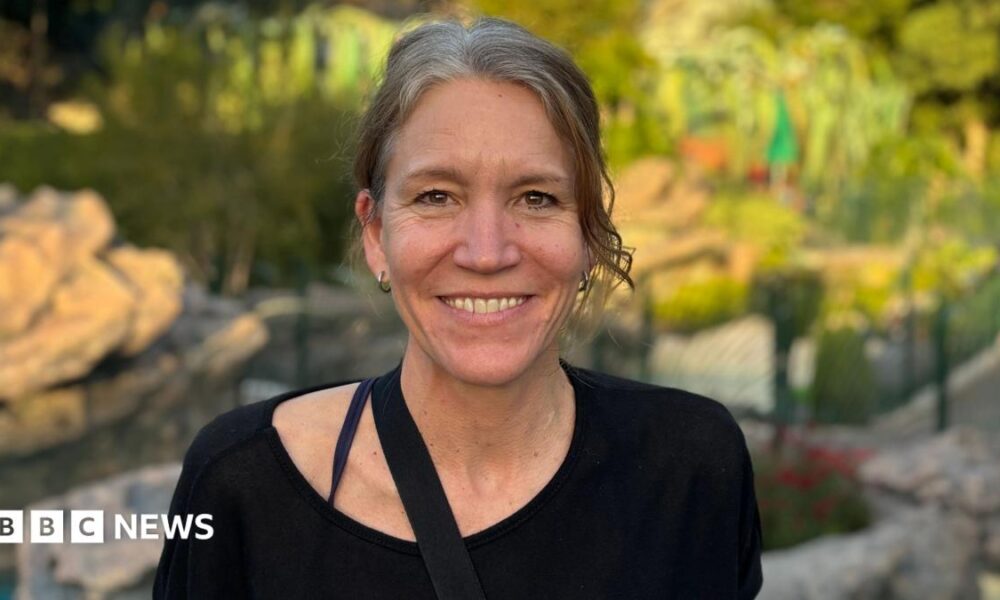
While her mother struggled to cope with the bereavement, Dawson found an interest in psychology and emotions.
But after Dawson’s first son was born at 29 weeks and suffered complications linked to the premature birth, the loss of her sister and the memory of her mother’s “great pain” came to the forefront of her mind.
When Dawson revisited the difficult topic of conversation with her mother after her own pregnancy experience, she realised that her mother “felt [the stillbirth] was her fault”.
“I said to her, ‘was it my fault that my son was born early?’ and she said, ‘no of course not’.
“I said, ‘okay, why can you not show the same compassion to yourself and your own loss?'” Dawson told BBC Radio Bristol.
She added that feelings of blame and guilt were “very common” during bereavement and could lead to “destructive” coping mechanisms.
“The biggest myth about grief is that it happens in neat, orderly stages and that you eventually get over it,” said Dawson.
“In reality, grief is messy, unpredictable and deeply individual. People move back and forth between feelings, and the idea of a tidy, linear process simply doesn’t reflect how grief actually works.”




No Comment! Be the first one.