





Why Albrighton doesn’t want to be ‘a village’ anymore
Campaigners, as well as Shropshire Council, which rejected Boningale Homes proposal in December, are hoping that this argument will prevent the 48 hectares of land off Patshull Road being built on....

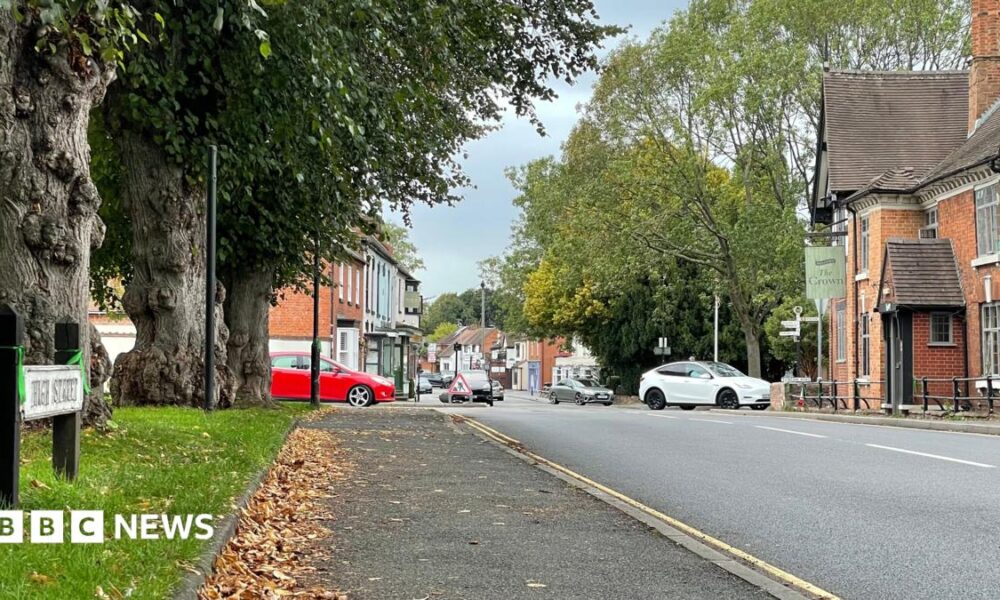
Campaigners, as well as Shropshire Council, which rejected Boningale Homes proposal in December, are hoping that this argument will prevent the 48 hectares of land off Patshull Road being built on.
Yet, if it is determined that the land does not “strongly contribute” to purpose A, and makes a “weak” or “moderate” contribution to the overall purposes of the green belt, then it may be identified as “grey belt” and lose its protected status.
It was a point of contention during a 12-day planning appeal hearing, which concluded in Shrewsbury last month.
The council’s expert witness, principal planner Will Hossack, argued that Albrighton’s population now exceeded 5,000 due to recent housing developments – enough to be considered a “larger village or small town,” according to the Office of National Statistics’ classification of built up areas in the 2021 census.
He further argued in his report that Albrighton’s public services and amenities, with its multiple schools, leisure facilities, pubs and three grocery stores, meant it resembled more of a market town than village.
Boningale Homes’ barrister, Chris Katkowski OBE KC, challenged Hossack’s claim.
He said the West Midlands Green Belt was introduced to restrict the sprawl of “major conurbations”, not small settlements such as Albrighton.
He also highlighted several of Shropshire Council’s key planning documents, in which Albrighton was described as “a village” – yet other council reports describe Albrighton as a “small town”, “market town”, “key centre” and “large built-up area”.
Campaigners in the Albrighton Development Action Group said in a statement that, “Albrighton is more than a village, so should not be described as one”.
The group has used extracts from the book The History of Albrighton, in which the settlement was described by the author as “a township” as far back as 1799, to support their claim.




No Comment! Be the first one.